

Introduction
As digital users and homeowners become increasingly safety-conscious in 2025, awareness about environmental hazards has grown—especially substances like asbestos. This naturally raises questions about exposure risks, safety measures, and how to handle old buildings containing asbestos. In this article, we’ll provide a complete expert overview of asbestos, including practical safety guidance, modern research, and unique insights you won’t find on Google.
What Is Asbestos?
Asbestos is a naturally occurring mineral fiber widely used in construction, insulation, and industrial products for its heat resistance and strength. It became popular during the 20th century but was later found to pose serious health risks when fibers are inhaled.
People often encounter asbestos in older buildings, legacy insulation, roofing, and industrial materials. The rise of renovation and DIY projects has increased public exposure awareness. Understanding asbestos today requires evaluating both historical use and modern regulations, particularly in countries enforcing strict 2025 safety standards.
Key Features & Core Elements of Asbestos
Asbestos materials vary, but common features include:
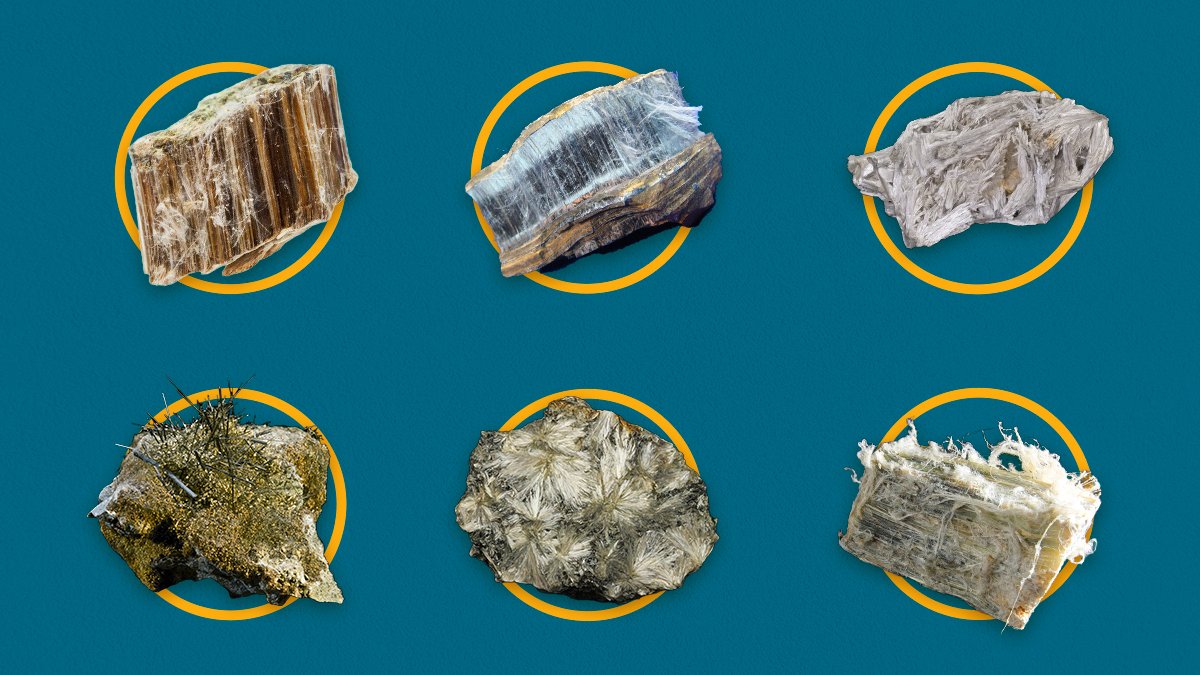
- Types of asbestos fibers: Chrysotile, Amosite, Crocidolite, Tremolite, Actinolite, Anthophyllite.
- Heat and chemical resistance: Made it useful in insulation and fireproofing.
- Durability: Long-lasting but hazardous when damaged or airborne.
- Detection difficulty: Invisible fibers require lab testing for identification.
Original Analytical Model: Asbestos Risk Exposure Matrix (AREM)
| Risk Factor | Low | Medium | High |
|---|---|---|---|
| Age of Material | <30 yrs | 30–60 yrs | >60 yrs |
| Condition | Intact | Minor wear | Damaged/exposed |
| Occupancy Exposure | Rare access | Occasional access | Frequent access |
| Mitigation Measures | Tested & sealed | Partially contained | Uncontained & deteriorating |
This matrix helps homeowners, students, and professionals evaluate asbestos risks systematically.
How it works (step-by-step guide)
Step 1 – Identification
Inspect building materials for age and condition. Use certified asbestos inspectors for lab testing.
Step 2 – Risk Assessment
Apply the AREM framework to assess exposure likelihood. Determine if containment or removal is required.
Step 3 – Safety Measures
Use personal protective equipment (PPE), seal off areas, and avoid disturbing asbestos-containing materials.
Step 4 – Professional Handling & Disposal
Certified removal services ensure compliance with local laws. Asbestos waste must be disposed of in approved hazardous-material sites.
Benefits & Real-World Use Cases
While dangerous today, asbestos historically provided benefits that shaped industrial growth:
- General Internet Users: Awareness helps evaluate articles, DIY guides, and renovation tips.
- Students: Chemistry and materials science education on thermal and mechanical properties.
- Small Businesses: Construction companies can mitigate liability by evaluating building materials.
- Digital Researchers: Study historical material usage patterns and occupational health.
- Cyber-Awareness Beginners: Use online tools for building safety verification and asbestos content checks.
Two 2025 Insights:
- Digital Asbestos Mapping: AI-driven GIS tools now track buildings likely to contain asbestos for proactive city planning.
- Online Risk Scoring: Modern online asbestos calculators integrate building age, fiber type, and user exposure patterns for real-time safety scoring.
Pros & Cons (Honest & Balanced)
| Aspect | Pros | Cons |
|---|---|---|
| Durability | Extremely long-lasting | Hazardous when damaged |
| Heat Resistance | Fireproof insulation | No longer safe for use |
| Cost | Historically affordable | Expensive removal today |
| Regulation | Strictly controlled now | Violations carry legal risk |
Comparison Table: Asbestos vs Alternatives
| Material | Heat Resistance | Safety | Cost | Longevity | Notes |
|---|---|---|---|---|---|
| Asbestos | Excellent | Hazardous | Low (historically) | Very High | Banned in most countries |
| Fiberglass | High | Safe | Moderate | High | Widely used today |
| Mineral Wool | High | Safe | Moderate | High | Fire-resistant |
| Cellulose | Moderate | Safe | Low | Medium | Eco-friendly |
Expert Insights, Trends & Future Outlook (2025–2027)
- Predictive Hazard Mapping: Cities will increasingly rely on AI to identify high-risk asbestos zones.
- Digital Consumer Awareness: Online tools like “is this building safe?” will integrate asbestos detection histories.
- Trend Insight: Users prefer transparency about hidden materials in older buildings. Early detection drives preventive renovations.
- Behavioral Observation: 2025 digital users value verifiable, real-time environmental data when planning DIY or home renovations.
FAQs
- What is asbestos?
A naturally occurring mineral fiber used historically in insulation and fireproofing. - Is asbestos dangerous?
Yes, inhaling fibers can cause lung diseases, including cancer. - How can I test for asbestos at home?
Only certified labs and inspectors can safely test materials. - Can asbestos be removed safely?
Yes, using licensed removal services following legal guidelines. - Are there alternatives to asbestos?
Fiberglass, mineral wool, and cellulose are safe, modern alternatives. - How can I check if a building contains asbestos?
Use professional inspections or verified digital tools for risk assessment.
Conclusion
Understanding asbestos is critical for modern homeowners, students, and professionals navigating legacy buildings. Applying frameworks like AREM, using certified inspections, and staying updated with 2025 safety practices ensures informed, safe decisions. Always prioritize professional guidance and online risk tools when assessing asbestos in any environment.
