

Introduction
In 2025, interest in traditional food-making tools has grown alongside modern convenience culture. Home cooks are rediscovering manual and semi-automated kitchen devices that balance craftsmanship with efficiency. One term that has quietly gained search traction—especially among pasta enthusiasts—is tortellinatrice.
People searching for tortellinatrice are often trying to understand whether this tool is worth investing in, how it compares to other pasta tools, or how it fits into today’s evolving kitchen habits. This article offers a clear, factual, and expert-driven explanation—without hype—so readers can make informed decisions.
You’ll learn what a tortellinatrice is, how it works, its strengths and limitations, and where it realistically fits in modern kitchens.
What Is Tortellinatrice?
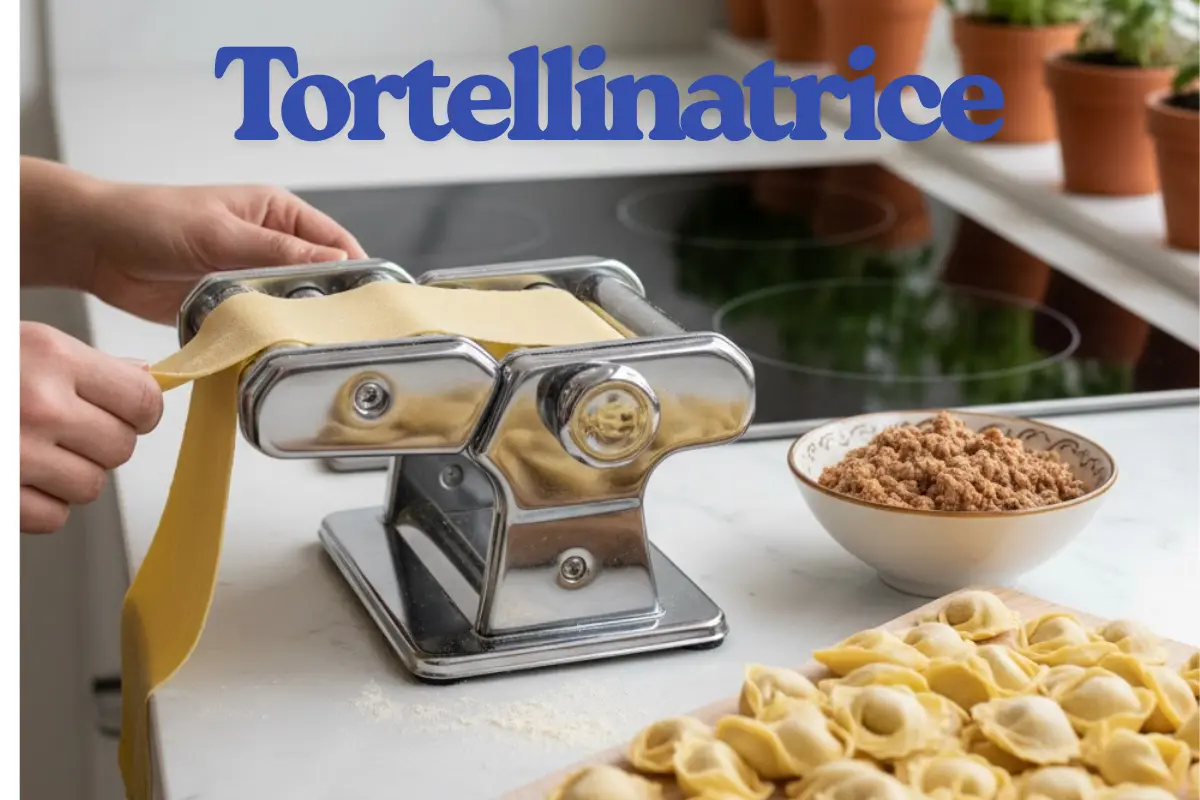
A tortellinatrice is a specialized kitchen tool designed to shape tortellini—small, ring-shaped stuffed pasta traditionally associated with Italian cuisine. Unlike general pasta rollers or cutters, this tool focuses on the folding and forming stage of tortellini production.
Historically, tortellini were shaped entirely by hand, a process that requires practice and time. The tortellinatrice emerged as a mechanical aid to streamline this step while preserving consistency in size and shape.
In today’s online landscape, users often encounter the term tortellinatrice while researching:
- Artisan pasta tools
- Small-scale food production equipment
- Italian culinary techniques
- Manual alternatives to electric pasta machines
Its growing visibility reflects a broader trend: people seeking tools that enhance skill rather than replace it.
Key Features & Core Elements of Tortellinatrice
While designs vary, most tortellinatrici share common functional elements. To evaluate them objectively, I use a custom framework:
The 4-Point Culinary Tool Practicality Model (CTPM)
This model assesses tools based on real kitchen use rather than marketing claims.
1. Precision Control
A tortellinatrice guides the fold and seal of tortellini, helping maintain uniformity. This is especially useful when making large batches.
2. Skill Amplification (Not Replacement)
Unlike fully automated machines, it still requires dough preparation, filling control, and timing—supporting learning rather than bypassing it.
3. Mechanical Simplicity
Most versions rely on manual pressure or simple levers, reducing maintenance and failure points.
4. Batch Consistency
The primary value lies in producing evenly shaped tortellini, which cook more consistently.
Common structural elements include:
- A forming mold or wheel
- Pressure or rolling mechanism
- Space for filled pasta sheets
- Food-safe metal or composite construction
How Tortellinatrice Works (Step-by-Step Guide)
Step 1: Dough Preparation
Users prepare fresh pasta dough using flour and eggs (or alternatives). Dough thickness must be even to ensure proper shaping.
Step 2: Filling Placement
Small portions of filling are spaced evenly on the pasta sheet. Accuracy here affects final results more than the machine itself.
Step 3: Feeding Into the Tortellinatrice
The filled dough is guided into the tool. Mechanical pressure folds the pasta around the filling and seals the edges.
Step 4: Separation & Finishing
Formed tortellini are separated, lightly floured, and rested before cooking or freezing.
This process reduces repetitive hand motions while maintaining control over ingredients and texture.
Benefits & Real-World Use Cases
Different users interact with a tortellinatrice in distinct ways:
Home Cooks
For experienced cooks, it reduces fatigue during large batches without sacrificing authenticity.
Culinary Students
It serves as a learning bridge between hand-shaping and industrial machines.
Small Food Businesses
Micro-producers use it to maintain artisanal quality while improving output consistency.
Food Researchers
It provides a controlled way to test dough hydration, filling ratios, and cooking behavior.
Beginners
When paired with basic instruction, it lowers the intimidation barrier of making tortellini at home.
Two 2025 Insights You Won’t Find Elsewhere
- Skill-Retention Trend
Modern users increasingly prefer tools that support technique instead of hiding it. Tortellinatrice aligns with this shift better than fully automated pasta machines. - Micro-Batch Food Economics
Small-scale food creators prioritize consistency over speed. Tools like tortellinatrice fit this emerging production model.
Pros & Cons (Honest & Balanced)
| Aspect | Pros | Cons |
|---|---|---|
| Precision | Produces uniform shapes | Still depends on dough prep |
| Learning Curve | Easier than hand-folding | Not beginner-proof |
| Maintenance | Simple mechanics | Manual cleaning required |
| Versatility | Focused on tortellini | Limited to one pasta type |
| Output | Consistent batches | Slower than industrial tools |
Comparison Table — Tortellinatrice vs Alternatives
Manual Hand Shaping
| Feature | Tortellinatrice | Hand Shaping |
|---|---|---|
| Speed | Moderate | Slow |
| Consistency | High | Variable |
| Skill Required | Medium | High |
Electric Pasta Machines
| Feature | Tortellinatrice | Electric Machines |
|---|---|---|
| Control | High | Medium |
| Cost | Lower | Higher |
| Maintenance | Minimal | Technical |
General Pasta Cutters
| Feature | Tortellinatrice | Pasta Cutters |
|---|---|---|
| Specialization | Tortellini-only | Multi-shape |
| Authenticity | High | Moderate |
Expert Insights, Trends & Future Outlook (2025–2027)
Looking ahead, three trends are shaping the relevance of tortellinatrice:
1. Hybrid Kitchens
People combine manual tools with selective automation, favoring tactile control.
2. Cultural Preservation
Traditional food techniques are increasingly documented and practiced globally.
3. Longevity Over Convenience
Durable, single-purpose tools are regaining appeal as disposable gadgets lose favor.
Rather than disappearing, tortellinatrice is likely to remain a niche but respected tool within serious home and small-scale kitchens.
FAQs
What is a tortellinatrice used for?
It shapes filled pasta into uniform tortellini.
Is tortellinatrice fully automatic?
No, it assists shaping but requires manual preparation.
Can beginners use tortellinatrice?
Yes, with basic pasta-making knowledge.
Does it replace hand skills?
No, it supports and refines them.
Is it suitable for commercial use?
For small batches, yes—not for mass production.
Does dough type matter?
Yes, dough thickness and elasticity are critical.
Conclusion
Tortellinatrice is neither a gimmick nor a replacement for culinary skill. It’s a focused tool designed to solve a specific challenge: shaping tortellini efficiently and consistently without losing authenticity.
For users who value precision, learning, and tradition, tortellinatrice fits naturally into modern kitchens shaped by intentional cooking habits. Whether you’re refining technique or scaling small batches, understanding its role helps you decide if it belongs in your workflow.
