

Introduction: Why “2 oz” Still Confuses People in 2025
Despite living in a world of smart scales and digital labels, a simple question keeps showing up in searches: how much is 2 oz. The reason is practical. Recipes, medicine labels, nutrition facts, and drink sizes still rely on ounces, while many people think in cups, tablespoons, or milliliters.
In 2025, globalized cooking, health tracking, and online shopping have increased the need for quick, accurate unit conversions. This article cuts through the confusion with verified, easy-to-use explanations—no guesswork, no filler—so you can confidently measure 2 ounces in any context.
What Does “2 oz” Actually Mean?
Before converting anything, it’s critical to understand what kind of ounce you’re dealing with. This is the most common source of confusion.
There are two different ounces used in everyday life:
- Fluid ounces (fl oz) – measure volume (liquids)
- Ounces (oz) – measure weight (solids)
When someone asks how much is 2 oz, the correct answer depends on whether it’s liquid or weight.
How Much Is 2 oz (Liquid)?
When referring to liquids, 2 ounces usually means 2 fluid ounces.
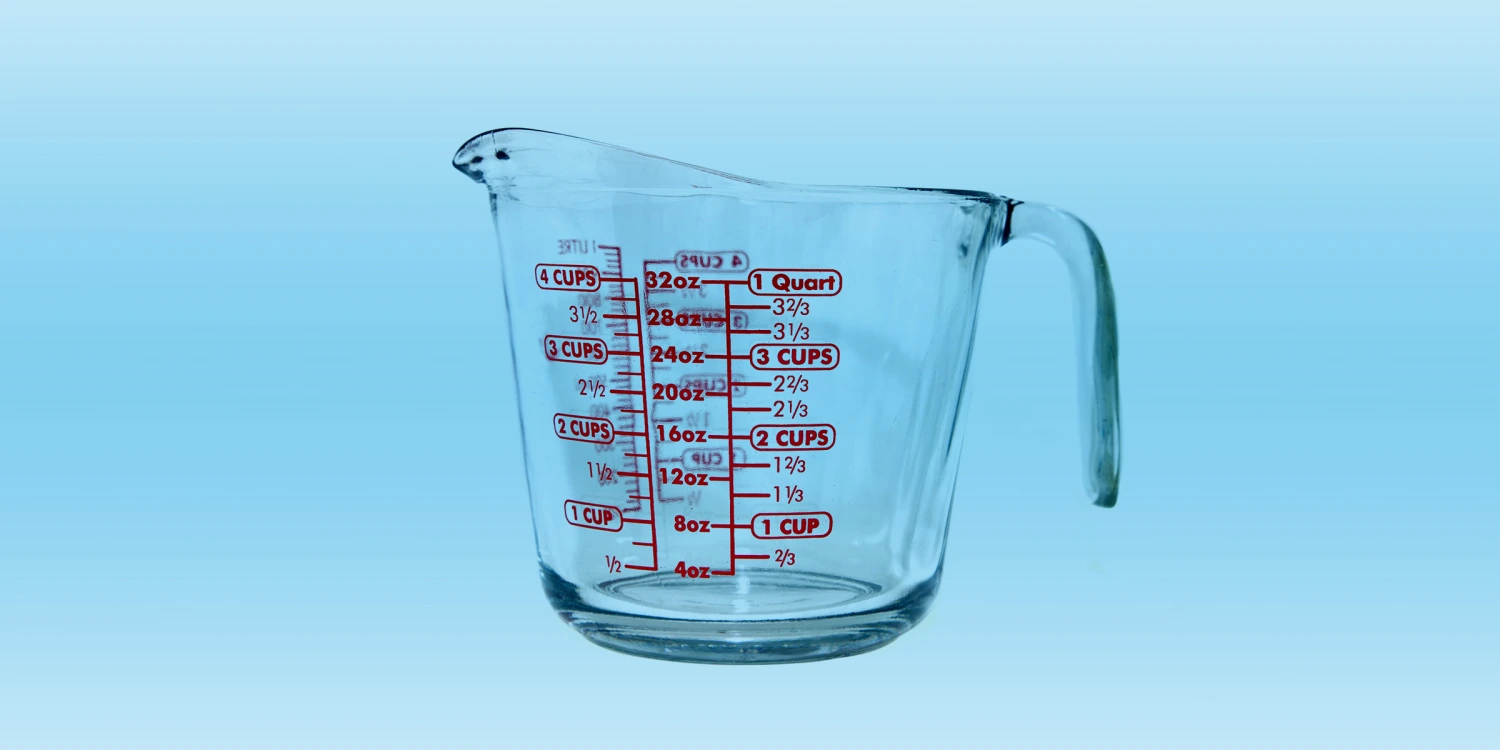
2 Fluid Ounces Equals:
- ¼ cup
- 4 tablespoons
- 12 teaspoons
- ≈ 59 milliliters (ml)
These conversions are standardized and used in cooking, beverages, and medicine dosing.
Visual Reference
- About the size of a small medicine cup
- Roughly two large sips of water
This is why cough syrups, energy shots, and espresso servings often come in 2 oz portions.
How Much Is 2 oz (Weight)?
When referring to solid foods or materials, 2 oz means 2 ounces by weight.
2 Ounces by Weight Equals:
- ≈ 56.7 grams
- About ⅛ of a pound
However—and this matters—2 oz by weight does NOT convert cleanly to cups because weight depends on density.
Why Volume and Weight Are Not Interchangeable
This is where many mistakes happen.
Example:
- 2 oz of feathers ≠ 2 oz of peanut butter in volume
- Both weigh the same, but take up very different space
That’s why professional recipes specify:
- “2 oz (by weight)” or
- “2 fl oz (by volume)”
Understanding this distinction is essential to answering how much is 2 oz accurately.
Common Food Examples: What 2 oz Looks Like
Here are realistic, everyday references to make 2 oz easier to visualize.
Protein Foods (Approximate)
- Cooked chicken: about half a deck of cards
- Cheese: about two dice
- Deli meat: 2–3 thin slices
Dry Ingredients (Weight-Based)
- Flour: about ½ cup (approximate, varies by type)
- Sugar: about ¼ cup
⚠️ These are approximations. For accuracy, always use a kitchen scale.
The 4-Context Ounce Clarity Model (OCM)
To eliminate confusion, here’s an original framework you can apply anytime you see “2 oz”:
The Ounce Clarity Model (OCM)
Ask these four questions:
- Liquid or solid?
- Cooking, nutrition, or medicine?
- US customary or metric context?
- Precision required or approximation acceptable?
Using OCM prevents measurement errors and helps interpret instructions correctly—especially when the phrase how much is 2 oz appears without context.
How Much Is 2 oz in Cooking?
In cooking, the meaning depends on the ingredient.
Liquids
- 2 oz = ¼ cup
- Common in sauces, dressings, and extracts
Solids
- 2 oz = 56.7 grams
- Often used for cheese, chocolate, butter, or proteins
Professional chefs often prefer grams because they eliminate ambiguity.
How Much Is 2 oz in Baking?
Baking demands precision.
- Butter: 2 oz = ¼ cup (½ stick)
- Chocolate: 2 oz = about ⅓ cup chips (varies by brand)
- Flour: 2 oz ≠ fixed cup measure
This explains why modern baking trends increasingly favor weight-based measurements.
How Much Is 2 oz in Drinks?
In beverages, 2 oz is a common serving size.
Examples:
- Espresso: 1.5–2 oz
- Energy shots: 2 oz
- Spirits (standard pour): 1.5–2 oz
Here, 2 oz always means fluid ounces, not weight.
How Much Is 2 oz in Medicine?
In healthcare, accuracy is critical.
- 2 oz = 60 ml (rounded for dosing)
- Often marked clearly on medicine cups
Never substitute tablespoons or guesses for medication—this is a safety rule, not a preference.
Pros & Cons of Using Ounces
| Aspect | Pros | Cons |
|---|---|---|
| Familiarity | Common in US | Confusing internationally |
| Versatility | Works for food & liquid | Dual meaning causes errors |
| Labeling | Standard on packaging | Requires context |
| Precision | Adequate for daily use | Less exact than grams |
This balance explains why ounces remain common—but also misunderstood.
How 2 oz Compares to Other Common Measurements
| Measurement | Equivalent |
|---|---|
| 1 oz | 2 tbsp |
| 2 oz | ¼ cup |
| 4 oz | ½ cup |
| 8 oz | 1 cup |
This table applies only to liquids.
2025 Measurement Trends (Original Insights)
1. Visual Measurement Is Replacing Mental Math
People increasingly rely on visual references (cups, scoops, containers) instead of memorized conversions.
2. Weight-Based Cooking Is Growing
More home cooks now use digital scales, reducing ambiguity around questions like how much is 2 oz.
These trends reflect broader digital literacy and precision-focused habits.
Frequently Asked Questions (AI Overview Optimized)
How much is 2 oz in cups?
¼ cup, if it’s a liquid.
How much is 2 oz in tablespoons?
4 tablespoons (liquid).
How much is 2 oz in grams?
About 56.7 grams (weight).
Is 2 oz the same as ¼ cup?
Yes—for liquids only.
Does 2 oz mean weight or volume?
It depends on context.
How much is 2 oz of water?
About 60 milliliters.
Conclusion: The Right Way to Think About 2 oz
The question how much is 2 oz doesn’t have a single answer—and that’s not a flaw. It’s a reminder that measurement depends on context. For liquids, 2 oz equals ¼ cup or about 60 ml. For solids, it means 56.7 grams—and volume will vary.
Once you learn to identify whether ounces refer to weight or volume, confusion disappears. Use the right tools, read labels carefully, and when precision matters, choose a scale. Understanding 2 oz isn’t just helpful—it’s a small skill that improves everyday accuracy.
