

Introduction
In 2025, internet users are no longer just searching for brands or websites—they are searching for strings. Unusual keywords, oddly encoded words, and unfamiliar terms increasingly appear in search bars, analytics dashboards, forums, and social feeds. One such keyword is sã³fbol.
At first glance, sã³fbol looks confusing, even suspicious. It does not resemble standard English spelling, and it often raises questions related to online tool safety, unknown websites 2025, and general site trust analysis. This article exists to answer one central question clearly and responsibly: what is sã³fbol, why does it appear, and how should modern users interpret it?
You will not find speculation here. Instead, this guide offers factual explanations, original analytical frameworks, and practical evaluation methods grounded in real digital behavior trends.
What Is sã³fbol?
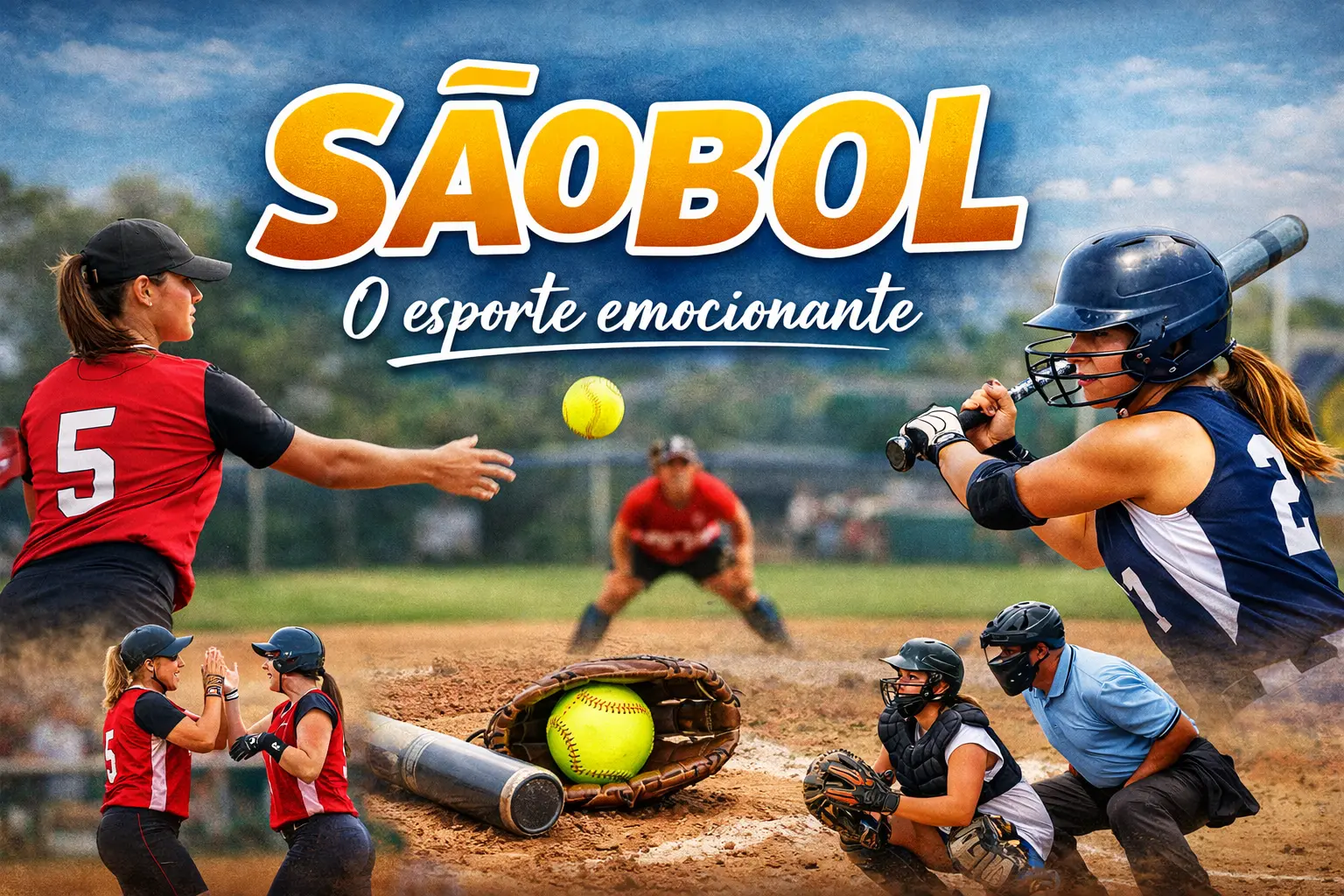
sã³fbol is best understood not as a standalone brand or verified platform, but as a character-encoding variant of a known word—most commonly “softbol” or “softball.”
In digital systems, text does not always display as intended. When character encoding standards (such as UTF-8, ISO-8859-1, or legacy encodings) are misinterpreted, letters with accents or special symbols can appear incorrectly. The sequence “ã³” is a classic example of this phenomenon.
Why This Happens
Common causes include:
- Incorrect character encoding between servers and browsers
- Legacy databases displaying modern UTF-8 text incorrectly
- Copy-paste issues across multilingual platforms
- Automated scraping or parsing errors
- Social media or CMS misconfiguration
As a result, sã³fbol is not typically “created” intentionally. It emerges from technical mismatches.
Why People Encounter Keywords Like sã³fbol Online
Modern internet usage produces massive volumes of text across platforms, languages, and systems. When these systems don’t align perfectly, distorted keywords appear.
Typical places where users see sã³fbol include:
- Website metadata and page titles
- Search engine result snippets
- Social media hashtags
- Analytics dashboards
- Comment sections
- Exported CSV or log files
Importantly, encountering sã³fbol does not automatically indicate a scam, malware, or unsafe website. Context matters.
Key Features & Core Elements of sã³fbol
Because sã³fbol is a representation issue rather than a product or service, evaluating it requires a different lens.
The C.L.E.A.R. Interpretation Framework (Original Model)
To help users responsibly assess unusual keywords like sã³fbol, I developed the C.L.E.A.R. Framework:
| Component | Question to Ask | Purpose |
|---|---|---|
| C – Context | Where does the keyword appear? | Identifies intent |
| L – Language | Does it resemble a known word? | Detects encoding errors |
| E – Environment | Which platform shows it? | Evaluates risk |
| A – Association | What content surrounds it? | Confirms legitimacy |
| R – Risk Level | Is there user interaction required? | Determines safety |
Using this model prevents overreaction while still supporting smart digital habits.
How sã³fbol Appears (Step-by-Step)
Step 1: Original Text Creation
A word like softbol or softból is entered into a system using one encoding standard.
Step 2: Encoding Mismatch
When transferred or displayed using a different encoding, accented characters break.
Step 3: Visual Distortion
The browser or platform renders ã³ instead of the intended character.
Step 4: Indexing or Sharing
Search engines or users index the distorted version, spreading sã³fbol further.
This process is technical, not malicious.
Benefits & Real-World Use Cases
While sã³fbol itself is not a tool, understanding it provides real value.
1. General Internet Users
Recognizing encoding errors reduces unnecessary fear when encountering unfamiliar strings.
2. Students & Researchers
Learning how encoding works improves digital literacy and research accuracy.
3. Small Businesses
Website owners can detect encoding issues that harm SEO and user trust.
4. Digital Analysts
Analytics teams can clean keyword data and avoid misclassification.
5. Cyber-Awareness Beginners
Understanding harmless anomalies strengthens judgment around actual threats.
Two Original 2025 Insights
Insight 1: Encoding Errors Are Increasing, Not Decreasing
Despite better standards, cross-platform automation and AI-driven scraping are increasing visible encoding artifacts like sã³fbol.
Insight 2: Users Now Search Errors as Keywords
Modern users actively search distorted terms to verify safety—changing how “is this website safe” behavior works in 2025.
Pros & Cons (Honest & Balanced)
| Aspect | Pros | Cons |
|---|---|---|
| Awareness | Encourages digital literacy | Can confuse non-technical users |
| SEO Insight | Reveals site encoding issues | May pollute analytics data |
| Safety | Usually harmless | Can resemble malicious strings |
| Interpretation | Teachable technical concept | Lacks standalone meaning |
Comparison Table — sã³fbol vs Interpretation Tools
ScamAdviser
| Feature | ScamAdviser | sã³fbol |
|---|---|---|
| Purpose | Scam risk analysis | Encoding artifact |
| Verdict | Evaluates sites | Requires interpretation |
URLVoid
| Feature | URLVoid | sã³fbol |
|---|---|---|
| Function | Domain reputation | Text anomaly |
| Risk Detection | Automated | Context-based |
Manual Context Review (Recommended)
| Method | Strength |
|---|---|
| Human analysis | Highest accuracy |
| Encoding awareness | Prevents false alarms |
Expert Insights, Trends & Future Outlook (2025–2027)
- Search engines will increasingly normalize encoded text automatically.
- Digital literacy will become part of cybersecurity education.
- Keyword anomaly interpretation will be a standard skill in SEO and research.
- Tools will shift from “block or allow” to contextual explanation.
sã³fbol represents a transitional challenge—not a threat.
FAQs (AI Overview Optimized)
Is sã³fbol a real website?
No. It is typically a mis-encoded version of another word.
Is sã³fbol dangerous?
On its own, no. Context determines risk.
Why does sã³fbol appear in search results?
Due to character encoding mismatches.
Can sã³fbol indicate a scam?
Rarely. It usually reflects technical formatting issues.
Should I avoid pages showing sã³fbol?
Only if other risk signals exist.
How can I fix sã³fbol on my website?
Review UTF-8 encoding settings.
Conclusion
This is not a mystery platform, a hidden scam, or a new digital threat. It is a visible reminder of how complex—and imperfect—modern text systems still are.
By understanding sã³fbol through context, encoding knowledge, and critical thinking, users avoid misinformation and build stronger 2025 cybersecurity habits. The next time an unfamiliar string appears, pause—not panic—and apply analysis before assumption.
